The Hidden Cost of Doing Nothing: What 82% of Small Business Owners Already Know

Most small business owners didn't sign up to be early adopters. You're busy keeping the lights on, making payroll, and making sure customers walk away happy. The last thing you need is another technology trend demanding your attention.
But here's what actually matters: most of your competitors aren't waiting either.
The SBE Council's 2026 survey found 82% of small business employers have already invested in AI. Not enterprises with big IT budgets. Your neighbors, your peers, the HVAC company down the street, the salon on the corner. The median small business now runs five different AI tools.
What This Means for Your Business
Let's talk about the numbers without the buzzwords.
Marketing AI is driving 20%+ engagement lifts on average. Service automation is cutting support costs 30–50% while satisfaction scores improve. Businesses with AI lead follow-up are responding in minutes — sometimes seconds — versus the hours manual processes used to take.
If you're still chasing follow-ups by hand, sending invoices one by one, and calling customers about overdue payments, you're not just spending time. You're burning money you don't have to, and giving a head start to competitors who've already automated the same work.
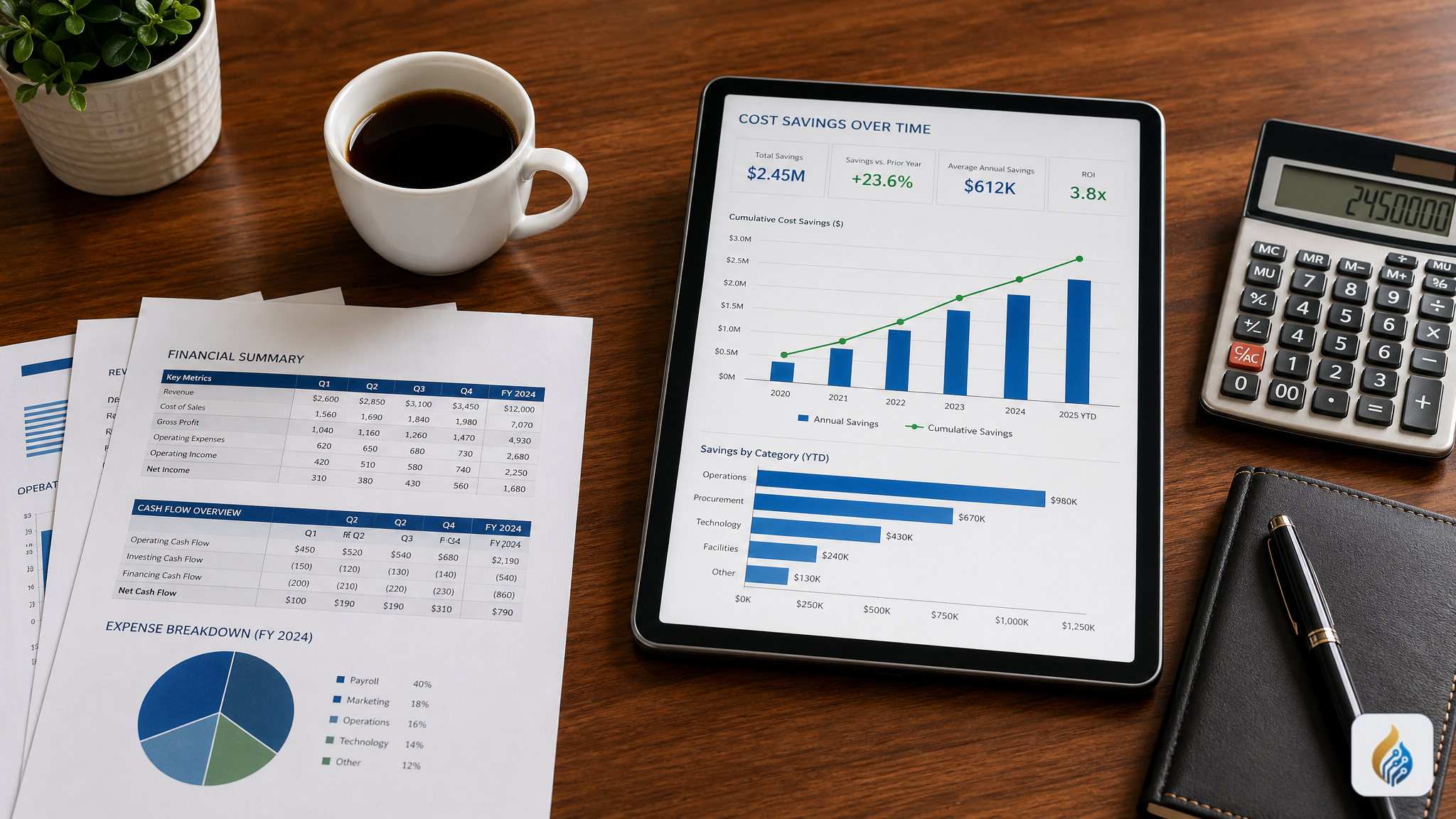
The cost of inaction is concrete: jobs you didn't book because you followed up too late, invoices that went delinquent because nobody had bandwidth to chase them, marketing you skipped because writing copy felt like one more task on an already-overflowing plate.
The Gap Is Widening
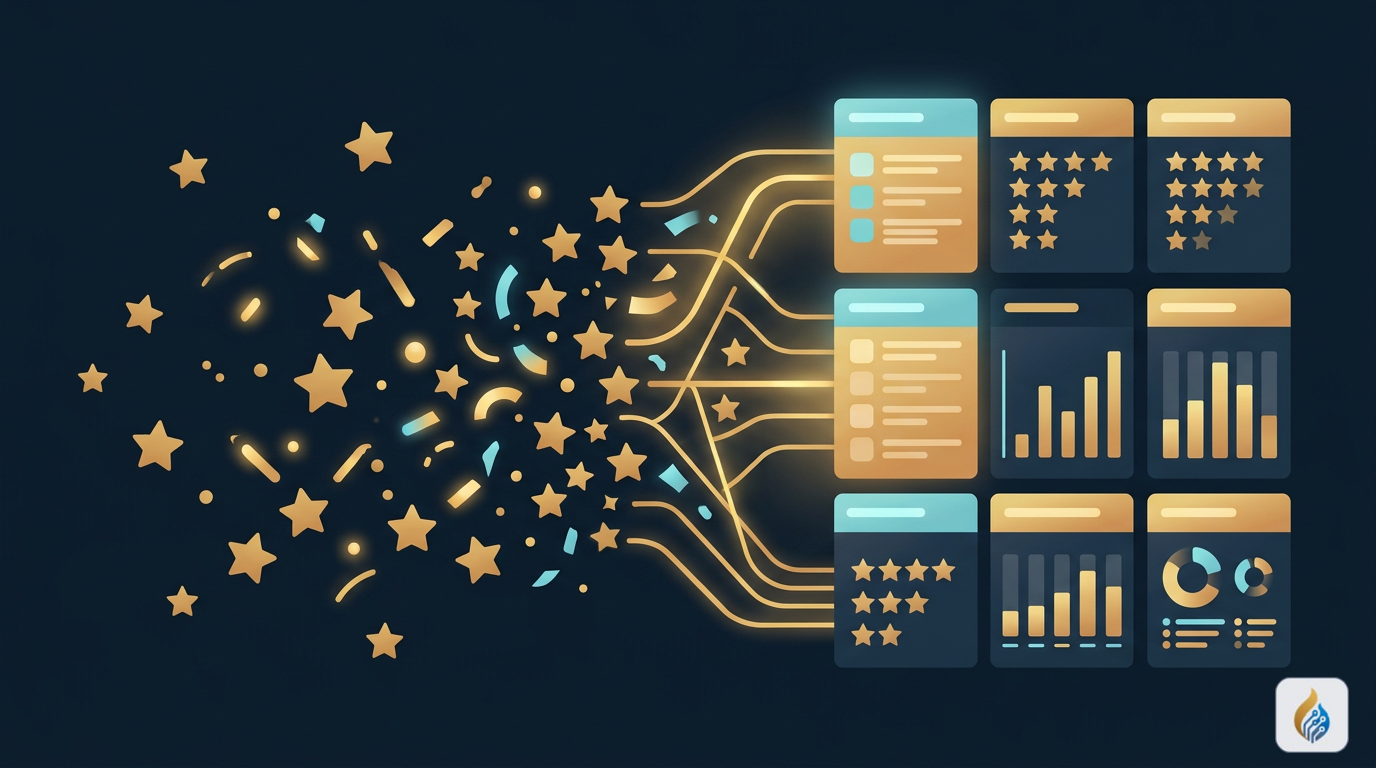
Here's what's not in the headlines: businesses aren't dabbling with AI. They're building stacks — combining tools so lead capture feeds into automated follow-up, which feeds into a self-updating CRM, which triggers invoice generation, which triggers payment reminders.
The businesses pulling ahead play the long game this way. The ones falling behind are still doing every one of those steps manually. As the gap grows, the manual shops spend more time on busywork and less time on revenue-generating work.
Where to Start
The owners getting real value didn't automate everything at once. They picked the task they dreaded most — the one that kept them up at night or made them sigh when it landed in their inbox.
Sometimes it's lead follow-up. Sometimes it's invoice reminders or social posting or appointment confirmations. The specific workflow is less important than starting somewhere.
Most first automations pay for themselves in 30 to 60 days. The second and third build from there.
What Comes Next
You don't need to understand how AI works. You need to know what it can do for your business and where your biggest time drains are every week.
Aurum Flare works with small business owners to map current workflows, find the highest-impact automation opportunities, and build systems that run without constant oversight. It's not about replacing you — it's about removing the work that doesn't require you.
If you want to see what a custom automation stack could look like for your business, book a free call through our contact page. No sales pitch, no pressure — just a conversation about where automation could actually move the needle.
The businesses winning in 2026 aren't the ones who worked the most hours. They're the ones who stopped doing the work that didn't need to be done in the first place.
See how AI automation could work for your business
Book a free 30-minute assessment — no pitch, just answers.
Book a Free Assessment