AI Voice Agents Are Replacing Your ISA, Here's What Actually Works in 2026
Most voice agent demos sound impressive. Pick up the phone, have a natural-sounding conversation, book an appointment — clean, seamless, futuristic. Then you try to actually run one in your business and find the seams fast.
The problem isn't the technology. It's matching the right task to the right tool.
Here's what voice agents are actually good at in 2026, where they fall short, and how to roll one out so it makes your pipeline stronger instead of messier.
what an ISA actually does (and what a voice agent can take over)
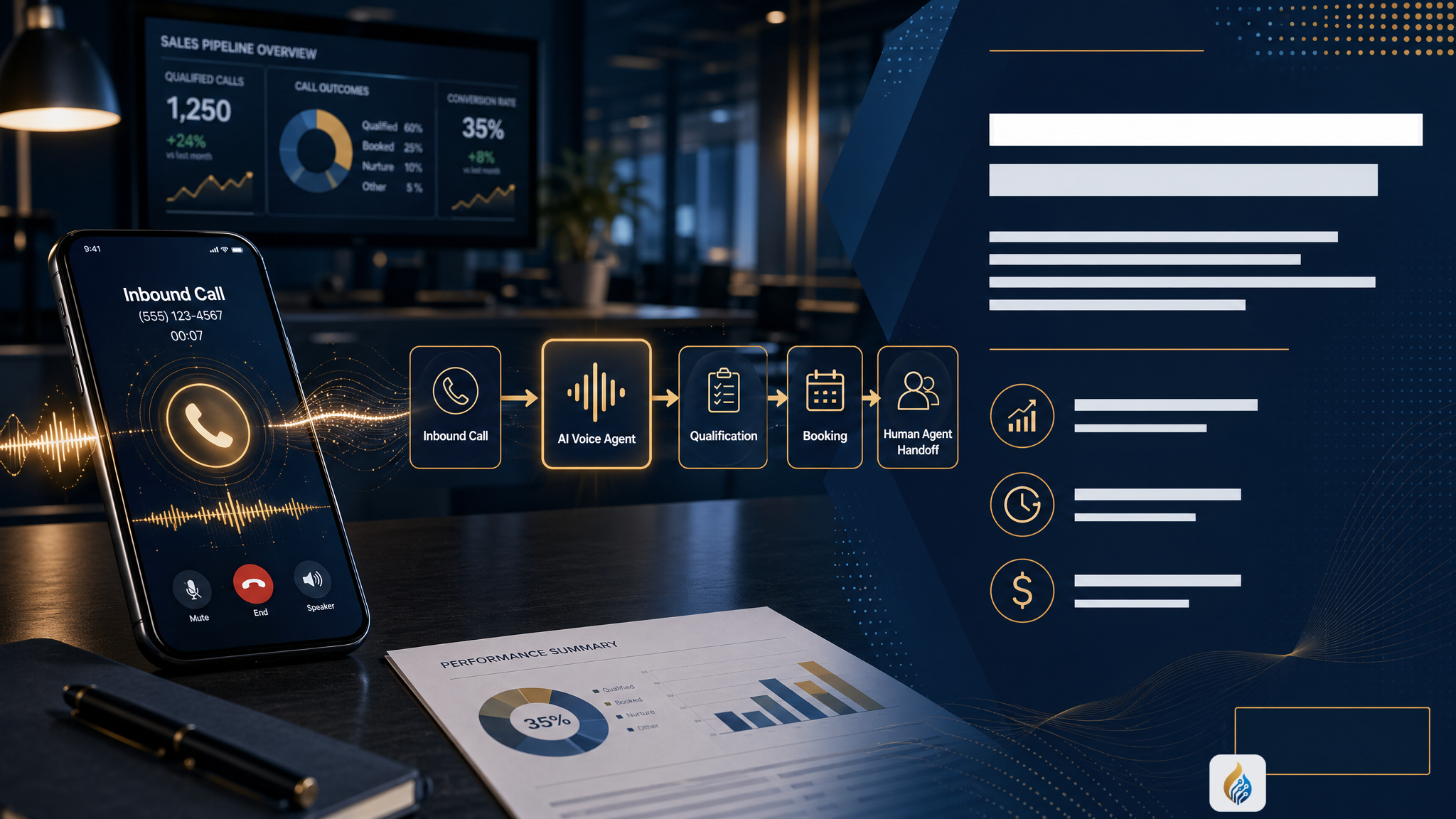
An inbound sales assistant's job breaks into a few distinct tasks. They answer the phone, ask discovery questions, qualify the lead, schedule a showing or consultation, and hand off to an agent. Some also do after-hours coverage and follow-up texts.
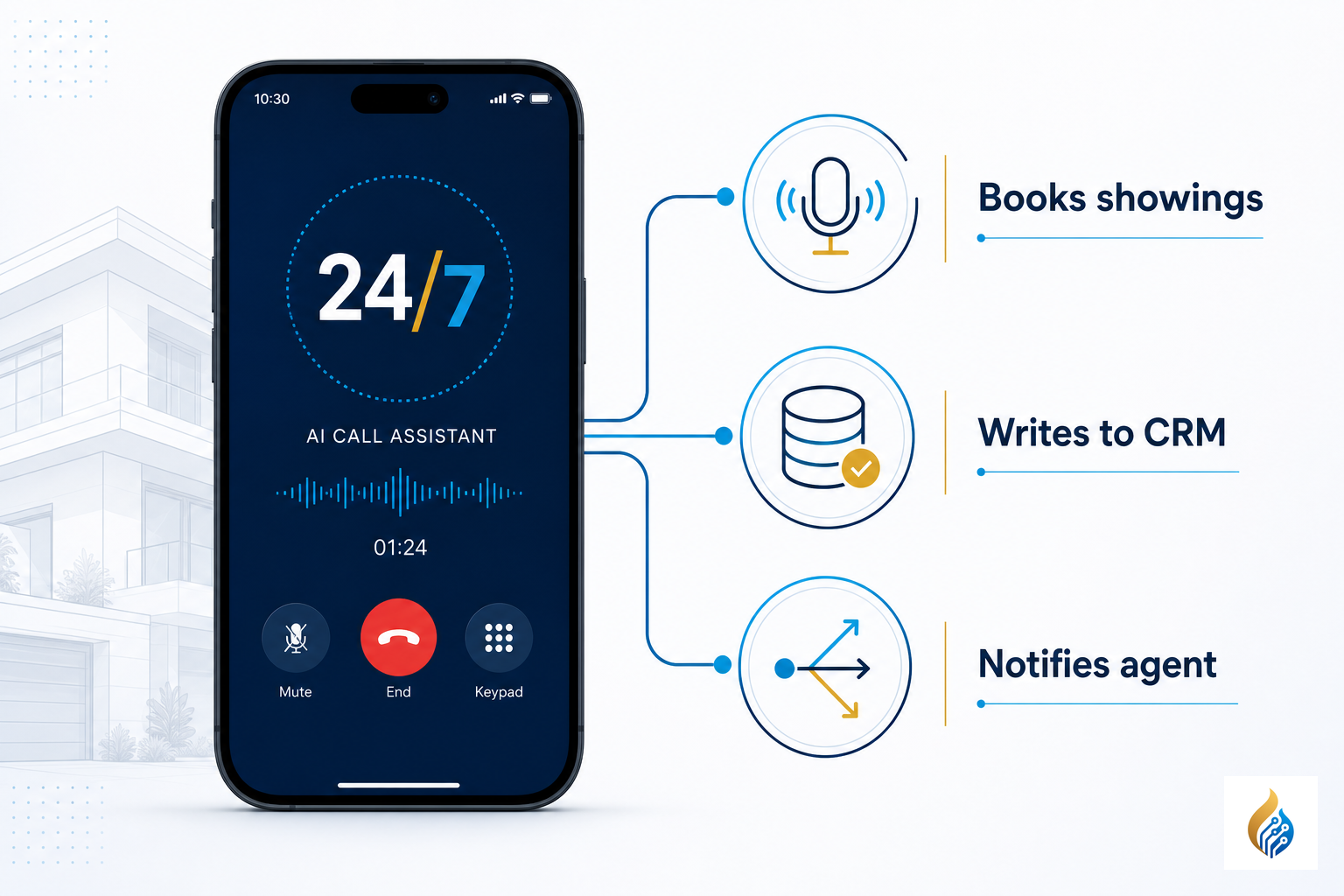
A voice agent can handle most of the mechanical parts of that sequence. Answering, qualifying questions, basic scheduling — these are structured enough that a well-configured voice system does them reliably. The agent on your team then receives a lead that's already warmed, pre-qualified, and appointment-scheduled.
What it can't do: read nuance in a buyer's hesitation, navigate a negotiation mid-call, or know that Mrs. Thompson from 742 Elm has been looking for six months and responds better to a callback on Tuesday than a same-day text.
The handoff from AI to human has to be designed, not assumed.
where voice agents work best right now
Speed-to-lead. A lead comes in at 10 PM through your website form. By 10:01, your voice agent has called, asked the two qualifying questions, and if the lead picks up, booked a showing for Saturday. The human agent walks in Saturday to a pre-qualified buyer instead of an inquiry that went cold three days ago.
Missed-call recovery. You lost the call. The prospect didn't leave a voicemail. A voice agent calls them back within five minutes, leaves a short message if they don't answer, and texts a booking link. You're not losing leads to voicemail silence.
FAQ handling. Price, availability, service area, what's included — your team answers the same five questions sixty times a week. A voice agent handles these without fatigue, without wait times, and without putting a human on hold.
Basic qualification and booking. Name, budget, timeline, property type — the questions that determine whether a lead is worth an agent's time. A voice agent works through this in two to three minutes, scores the result, and routes accordingly.
where voice agents still fail
Objection handling. "I'm not sure I'm ready to buy yet" is a simple phrase that hides a dozen different real situations. A voice agent can follow a script, but it can't hear the hesitation underneath and adapt the conversation the way an experienced ISA can.
Emotional conversations. A seller who's going through a divorce, a buyer who lost their third offer — these calls require empathy and judgment a voice agent doesn't have yet. Hand these off immediately.
Compliance-sensitive situations. If your state has specific disclosure requirements or your brokerage has call-recording rules, you need to audit what your voice agent can and can't handle before you flip the switch. A professional implementation team maps this out so you're not exposed.
Highly technical products or complex negotiations. If the conversation needs to go sideways in ways the script didn't anticipate, a voice agent may keep pushing the original flow instead of pivoting. Keep these conversations human.
structuring the handoff so it doesn't feel robotic
The handoff is where most voice agent rollouts break down. The prospect talked to the AI for five minutes, then gets transferred to an agent who has no idea what happened.
A clean handoff means: the agent gets a summary before they call or text. Budget, timeline, what the prospect asked about, what was booked, where the conversation stalled. The prospect should never have to repeat themselves.
The goal is a system that feels like it already knows you — not a robot that hands you off to another robot.
Some teams run a brief pilot period where the voice agent always copies the human ISA on every call transcript. The human listens, approves, and hands off. Once the voice agent is hitting a quality threshold consistently, it runs unsupervised.
how to roll one out without wrecking your pipeline
Don't try to replace everything at once. Pick the narrowest use case that still moves the needle.
Missed-call recovery is usually the best starting point. Every missed call is a lost lead. You can measure the before and after precisely: calls handled, callbacks placed, appointments booked from recovery. The ROI is clean and it doesn't touch your active pipeline.
Once that's working, layer in speed-to-lead for your website inquiries. Then after-hours coverage. Then FAQ handling.
Each stage should have a metric. For qualification calls: how many qualified leads came through per week, and how many turned into showings. For booking: what percentage of voice-agent bookings actually showed up versus agent-set appointments. Track it for 30 days before adding the next layer.
the short version
Voice agents handle the mechanical parts of your front-line outreach well. Speed-to-lead, basic qualification, FAQ, after-hours coverage — these are live in 2026 and they work.
The parts that still need a human: nuance, empathy, objection handling, compliance-sensitive calls. Design your handoff to make sure the human always gets a warm, documented lead.
Start narrow. Measure. Expand when the numbers prove out.
If you're still losing leads to missed calls and slow follow-up, audit your process this week. The team at Aurum Flare can map out where a voice agent fits into your pipeline and what the rollout actually looks like. Book a call at [aurumflare.com/contact](https://aurumflare.com/contact).
See how AI automation could work for your business
Book a free 30-minute assessment — no pitch, just answers.
Book a Free Assessment